
Let me guess how this went.
You shipped the app.
You checked analytics a couple of times.
Everything looked fine.
Then a few days passed.
You opened the dashboard again.
You refreshed the page.
Then refreshed it one more time.
It showed 1 active user.
And you had that quiet realization that the user was probably you.
No errors.
No angry emails.
No feedback at all.
Just silence.
If you have ever built an app before, you know that feeling.
This Is How Most Apps Actually Die
Apps usually do not fail loudly.
They do not crash.
They do not get flooded with bad reviews.
They do not get roasted on social media.
People simply stop opening them.
That is what makes it hard to notice. You are busy building. You are already thinking about the next feature or the next idea.
So you tell yourself things like:
- Maybe users did not get it
- Maybe the timing was wrong
- Maybe I will come back to this later
Most of the time, you do not.
We Are Very Good at Shipping Apps
Right now, it has never been easier to build and launch an app.
Tools like v0, Bolt, Windsurf, and Cursor make shipping fast. Really fast.
You can go from idea to a live product in days.
That part of the process works.
What does not work nearly as well is what comes after launch.
Keeping users engaged.
Knowing when users stop coming back.
Understanding why they leave.
Doing something about it before the app quietly fades away.
This is where most solo developers struggle.
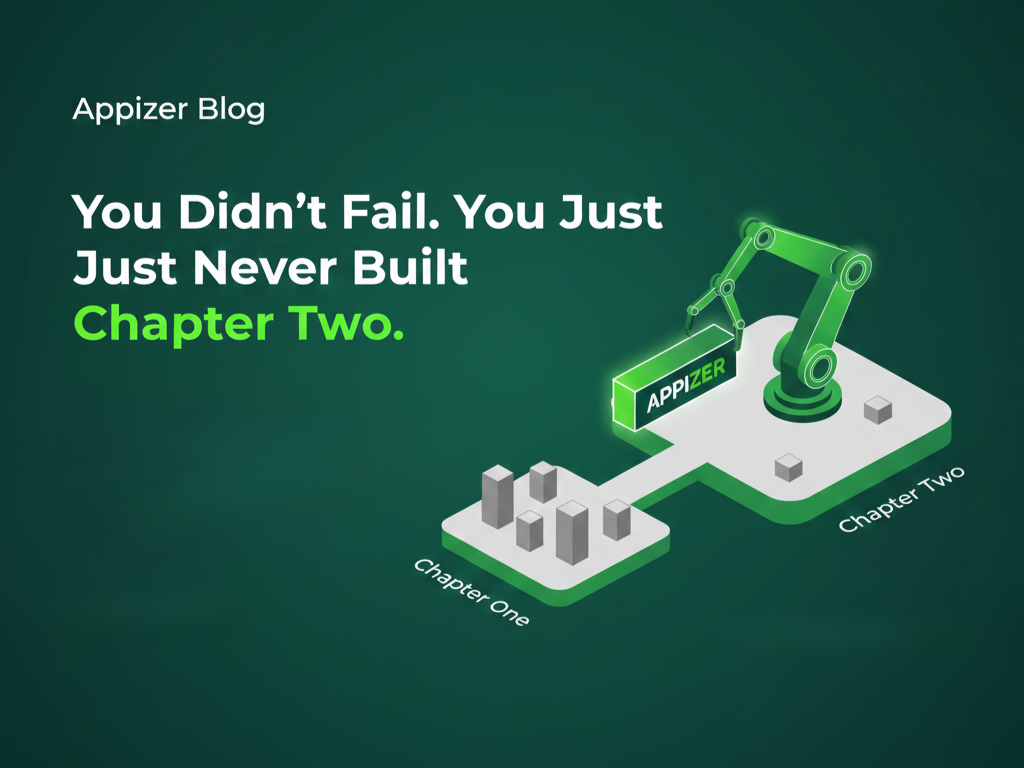
Chapter One vs Chapter Two
Here is a simple way to think about it.
Chapter One is building and shipping your app.
This is the part everyone talks about.
Chapter Two is everything that happens after the first session:
- Did users return?
- How long did they stay?
- What did they do before leaving?
- Should you re-engage them?
Most apps never reach Chapter Two.
Not because the builders do not care, but because retention and engagement are rarely planned from the start.
Why Retention Gets Ignored
If you are building alone or with a very small team, the tradeoff is obvious.
Every hour you spend:
- setting up analytics
- learning engagement tools
- creating push notification campaigns
- figuring out user segmentation
Is an hour you are not building the product.
So retention gets postponed.
And while it is postponed, users quietly leave.
This is not a motivation problem.
It is a time problem.
The Real Problem Is a Missing System
At some point, it became clear that this was not about effort or discipline.
It was about the lack of a system.
You need something that:
- notices when users stop showing up
- understands what they were doing before they left
- sends the right message at the right time
- works automatically while you keep building
Without that, most apps rely on hope.
And hope is not a retention strategy.
Why Appizer Exists
Appizer exists because I kept opening dashboards and seeing 1 active user, and I knew I did not have the time to fix engagement manually.
The idea is simple.
Let something else handle Chapter Two.
While you focus on building new features or your next app, Appizer watches user behavior, detects disengagement, and re-engages users automatically using push notifications and smart segmentation.
No complex analytics setup.
No marketing team required.
Just fewer apps dying quietly.
If This Sounds Familiar
If you have ever shipped an app you cared about and then watched it slowly go quiet, you are not alone.
You did not fail.
You just never built Chapter Two.
We are building it now.